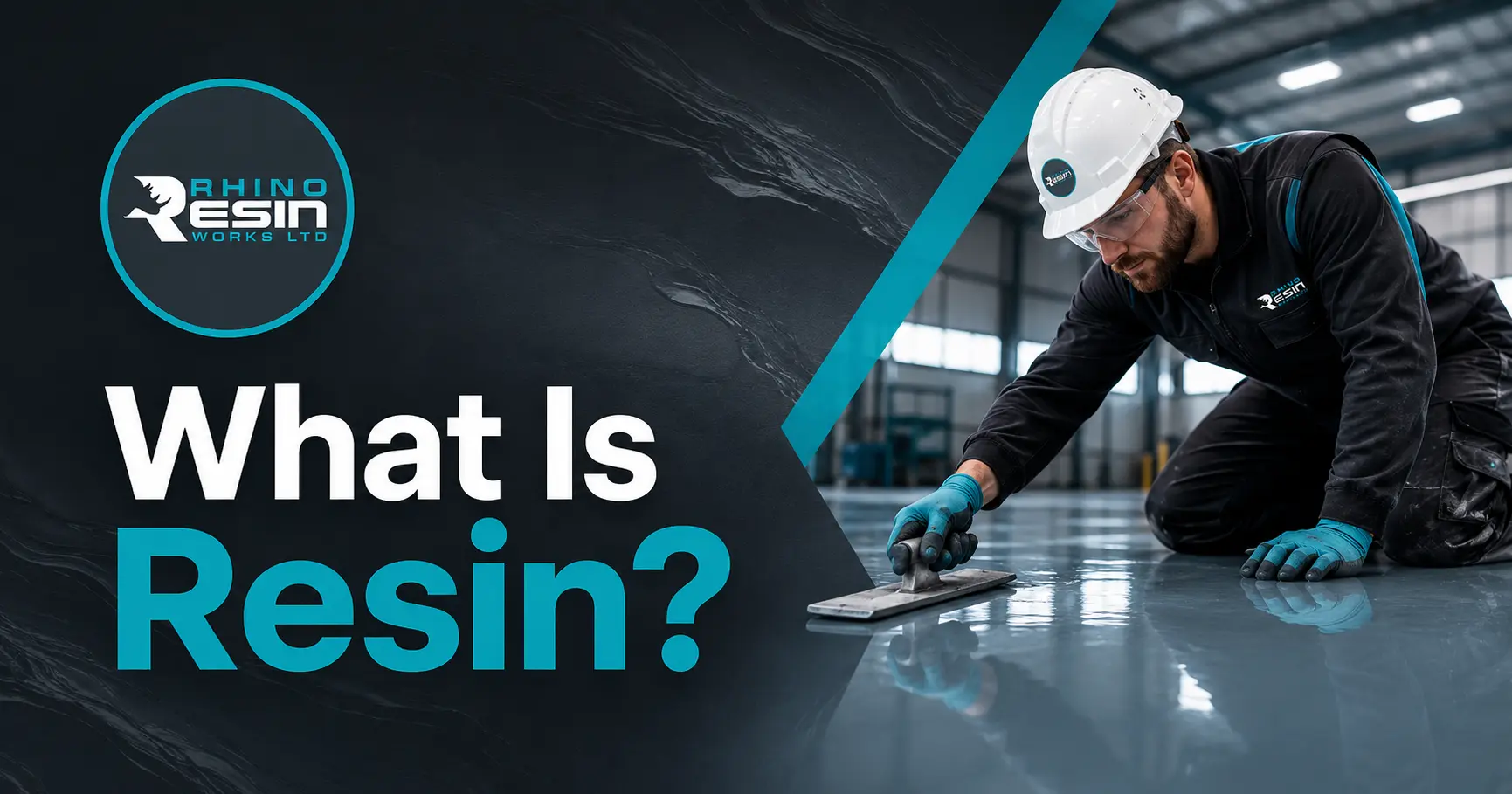
Resin is a strong liquid binding material that hardens into a solid surface when mixed with a hardener. In the surfacing industry, installers mix resin with natural stone aggregates to create attractive, durable, and permeable surfaces for driveways, patios, and pathways. Resin helps hold the stones together while creating a smooth, long-lasting finish.
Basic Information and Overview of “Resin”
Many homeowners hear the term “resin driveway,” but they do not fully understand what resin actually is.
The word “resin” originally referred to a natural sticky substance produced by trees and plants. People have used natural resins for thousands of years in varnishes, adhesives, and coatings.
Today, resin used in driveways is a specially manufactured material designed for construction and surfacing projects. It starts as a liquid and hardens into a strong, durable binder when mixed correctly.
In simple terms, resin acts like a powerful glue that holds stone aggregates together. Once cured, it creates a hard-wearing surface that can handle daily use and changing weather conditions.
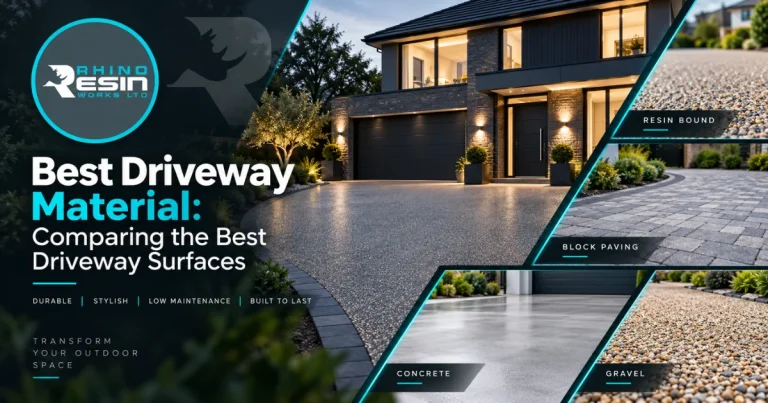
Modern resin systems provide an attractive alternative to traditional materials such as concrete, block paving, and gravel.
How Is Resin Used in Driveways?
In driveway installations, resin works as a binding agent.
Installers mix the resin with carefully selected decorative stone aggregates before laying the mixture onto a prepared base. The resin coats every stone and binds them together to form one solid surface.
This process creates a driveway that looks natural while providing excellent strength and durability.
Unlike loose gravel, the stones do not move around because the resin keeps them securely in place. The finished surface remains stable under vehicles and foot traffic while maintaining a neat and attractive appearance.
Professional installers typically use UV-stable resin for driveways because it resists fading and keeps its colour for many years.
What Is a Resin Bound Surface?
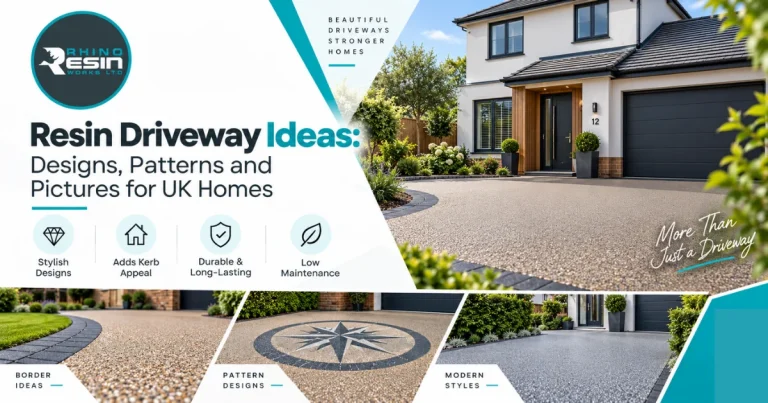
A resin bound surface is the most popular type of resin surfacing used for residential driveways.
Installers mix resin and aggregates together before laying them onto the surface. This creates a smooth and seamless finish where every stone becomes fully coated with resin.
The small gaps between the stones allow rainwater to drain naturally through the surface.
Because of this design, resin bound surfaces are
- Fully permeable
- Smooth underfoot
- Strong and durable
- Resistant to standing water
- Suitable for modern homes
Many homeowners choose resin bound systems because they combine practicality with attractive appearance.
What Is the Difference Between Resin Bound and Resin Bonded?
Although the names sound similar, resin bound and resin-bonded surfaces use different installation methods.
Resin Bound
With a resin bound system, installers mix the resin and stones together before laying the surface.
This creates:
- A smooth finish
- A permeable surface
- Better drainage
- Greater comfort underfoot
- A modern appearance
This surface is the most common choice for driveways, patios, and pathways.
Resin Bonded
With a resin-bonded system, installers first apply resin to the base and then scatter loose stones on top.
This creates:
- A textured finish
- Reduced permeability
- A rougher surface
- A traditional appearance
Resin bonded systems often suit decorative areas and commercial projects rather than residential driveways.
Most modern homeowners choose resin bound surfaces because they offer better drainage and a more attractive finish.
Why Is Resin Popular for Driveways?
Resin has become one of the most popular driveway materials in the UK.
Homeowners increasingly choose resin because it offers advantages that traditional materials often cannot match.
Resin driveways provide:
- Modern appearance
- Excellent drainage
- Low maintenance
- Long lifespan
- Weed resistance
- Smooth finish
- Wide choice of colours
Many homeowners also appreciate how resin can transform the appearance of a property while remaining practical for everyday use.
Its combination of strength and style makes it a popular investment for both new-build and older homes.
Key Benefits of Resin Surfaces
Attractive Appearance
Resin surfaces create a clean, seamless finish that improves the overall look of a property.
With many aggregate colours available, homeowners can customise the surface to match their home and landscaping.
Excellent Drainage
Water passes naturally through a resin bound surface rather than collecting on top.
This helps reduce puddles and standing water during wet weather.
Low Maintenance
Resin surfaces require very little maintenance.
Simple sweeping and occasional washing help keep them clean and attractive.
Weed Resistance
The seamless surface prevents weeds from growing through joints and gaps.
This creates a cleaner appearance compared to block paving.
Durability
Resin surfaces handle daily traffic, weather exposure, and general wear without major issues.
A professionally installed resin driveway can last for many years.
Slip Resistance
The textured aggregate finish provides good grip and helps improve safety in wet conditions.
Is Resin Suitable for UK Weather?
Yes, resin performs very well in UK weather conditions.
The UK experiences rain, frost, cold temperatures, and occasional heatwaves throughout the year. A quality resin system can withstand all of these conditions.
Heavy Rain
Resin bound surfaces allow water to drain naturally through the surface.
This reduces puddles and helps prevent surface water build-up.
Frost and Ice
Resin remains flexible enough to handle freezing and thawing cycles without cracking like some traditional materials.
Sunlight
UV-stable resin resists fading and maintains its appearance even after years of sun exposure.
Because of these qualities, resin remains a reliable choice for homes throughout Manchester and across the UK.
Most Common Uses for Resin
Resin is a versatile surfacing solution that works well in many outdoor areas.
Driveways
Driveways remain the most popular use for resin.
A resin driveway creates an attractive entrance while providing a durable and low-maintenance surface for vehicles.
Patios
Resin patios create comfortable outdoor spaces for relaxing, dining, and entertaining.
The smooth finish supports garden furniture while improving the appearance of the garden.
Pathways
Resin pathways provide safe and attractive routes around a property.
They help connect gardens, patios, side access areas, and entrances while maintaining a consistent appearance.
Final Words
Resin is a modern surfacing material that combines strength, appearance, and practicality. It acts as a binding agent that holds decorative stone aggregates together to create durable and attractive outdoor surfaces.
Whether used for driveways, patios, or resin pathways, resin provides excellent drainage, low maintenance requirements, and long-term performance. These qualities have made resin one of the most popular surfacing solutions for homeowners across the UK.