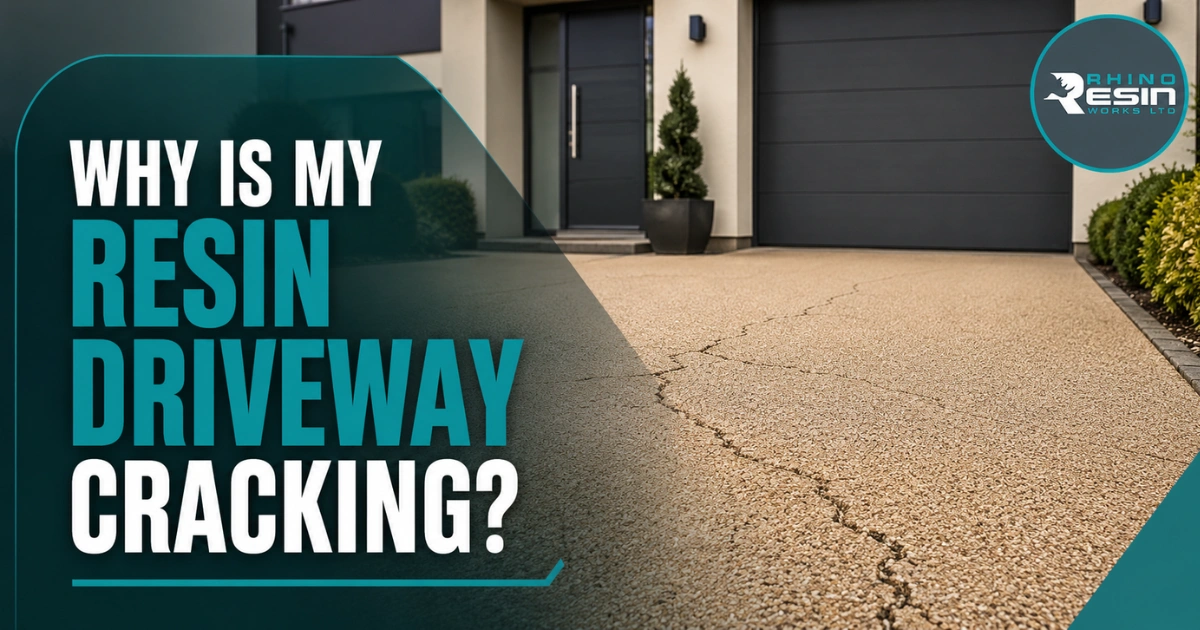
A resin driveway usually cracks because of problems with the foundation, poor installation, ground movement, or damage beneath the surface. The resin layer itself is strong and flexible, but it relies on a stable base to perform correctly.
A professionally installed resin bound driveway with proper preparation, quality materials, and good drainage should last for many years without cracking.
What Causes a Resin Driveway to Crack?
A resin driveway does not usually crack because of normal weather or everyday vehicle use. Most problems start before the resin surface is installed or happen because the surface does not receive the correct preparation.
The most common causes include:
- A weak or poorly prepared base can allow movement underneath the resin surface, which creates stress and causes cracks over time.
- Existing cracks in concrete or tarmac can transfer through the new resin layer if installers do not repair the surface properly before installation.
- Ground movement caused by unstable soil, poor drainage, or natural settlement can put pressure on the resin surface and create cracking.
- Incorrect mixing of resin and aggregates can reduce the strength of the surface and prevent the materials from bonding correctly.
- Poor drainage can allow water to collect beneath the driveway, which may weaken the base and lead to surface damage.
Poor Base Preparation
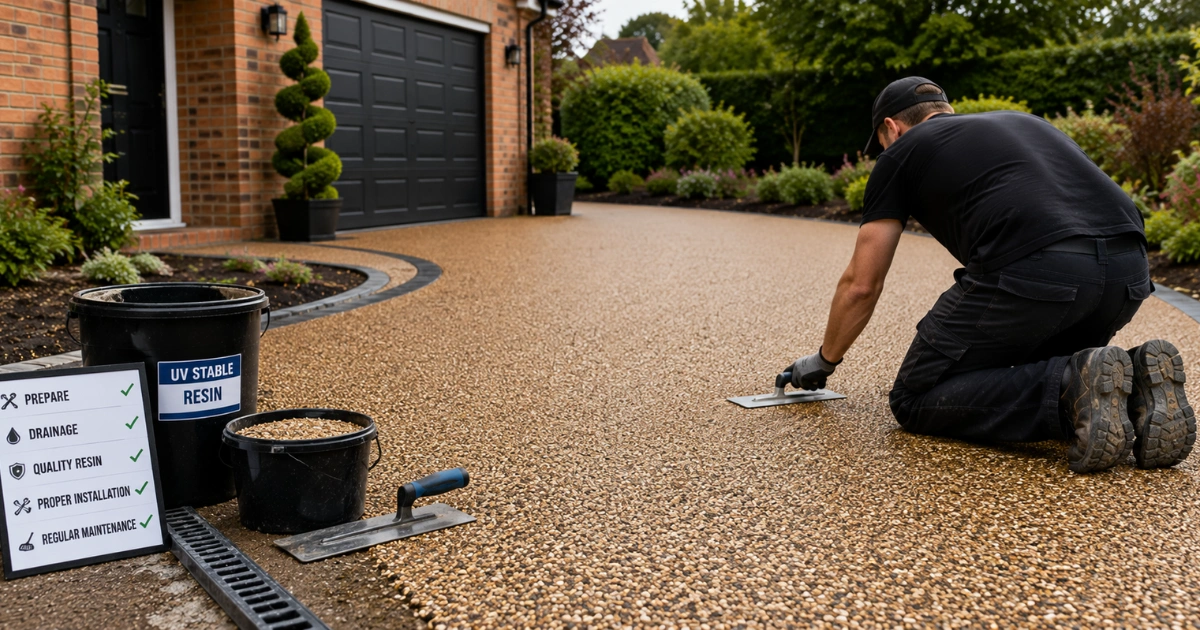
The base underneath a resin driveway plays the most important role in preventing cracks.
Before installing resin, professionals must prepare a strong and stable foundation. The base needs to support vehicles, handle weather changes, and prevent movement.
If the foundation is weak, the surface can shift when pressure is applied. This movement eventually transfers to the resin layer and may create visible cracks.
A correct installation usually includes:
- Removing unstable materials before creating a strong foundation for the resin surface.
- Installing a suitable sub-base that provides strength and stability.
- Compacting the base properly to reduce future movement.
- Checking the surface is level before applying the resin mixture.
A strong base helps the driveway maintain its appearance and performance for many years.
Existing Cracks Under the Resin Surface
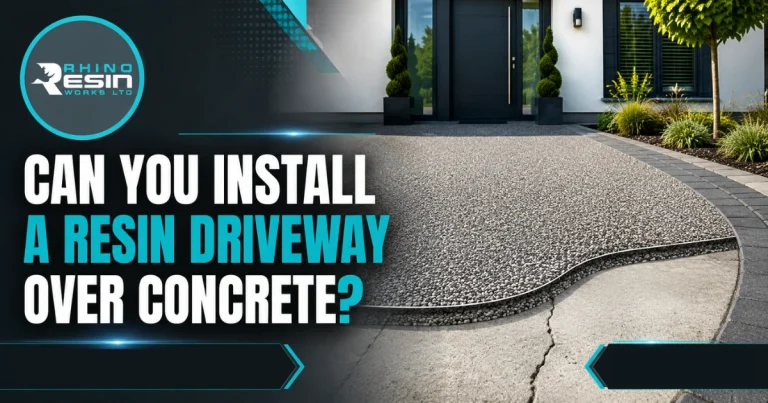
Many homeowners choose resin because it can sometimes be installed over existing concrete or tarmac. However, the existing surface must be suitable.
If the old driveway already has cracks, movement, or structural problems, these issues may appear through the resin surface later.
Before installation, professionals should check for:
- Deep cracks that show movement beneath the existing driveway.
- Loose areas that cannot provide a stable foundation.
- Uneven sections that may affect the finished resin surface.
If the existing driveway is damaged, repairs or full excavation may provide a better long-term solution.
Ground Movement and Settlement
Ground movement can affect any outdoor surface, including resin driveways.
Soil naturally expands and contracts due to changes in moisture and temperature. If the ground beneath the driveway moves, it can place pressure on the surface above.
Common causes include:
- Heavy rainfall causing changes in soil conditions beneath the driveway.
- Poor ground preparation before the driveway installation begins.
- Natural settlement of newly prepared areas over time.
Professional groundwork reduces these risks by creating a stable foundation.
Can Poor Drainage Cause Resin Driveway Cracks?
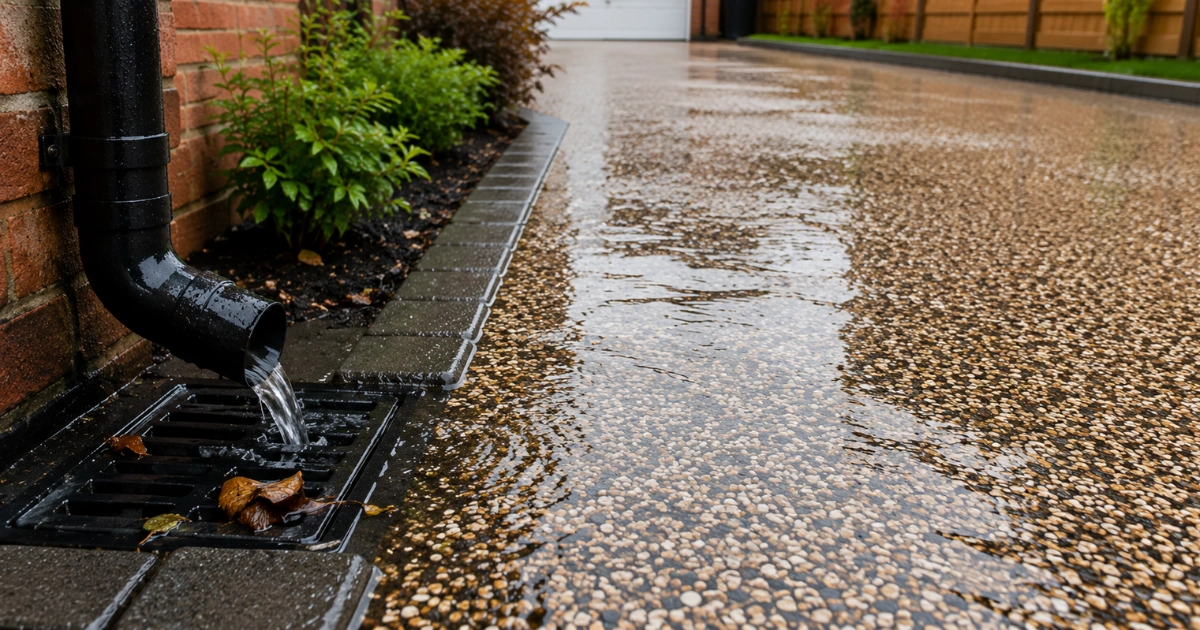
Yes, poor drainage can contribute to driveway damage.
Water that cannot drain correctly may collect beneath the surface and weaken the foundation. During colder months, trapped water can freeze and expand, creating additional pressure.
A properly installed resin bound driveway helps manage water because the surface allows rainwater to pass through.
Good drainage planning includes:
- Creating a suitable permeable base that supports natural water movement.
- Ensuring surrounding areas direct water away from the driveway.
- Installing additional drainage solutions where required.
Can Heavy Vehicles Crack a Resin Driveway?
A properly installed resin driveway can handle normal residential vehicles without problems.
However, repeated use by extremely heavy vehicles can place extra pressure on the surface, especially if the base was not designed for that level of weight.
Problems may occur when:
- Large commercial vehicles regularly use a driveway designed only for household cars.
- Heavy machinery remains parked on the surface for extended periods.
- Vehicles create pressure points on a weak foundation.
A professional installer can recommend the right resin system based on how you plan to use your driveway.
Can Weather Cause Resin Driveway Cracks?
Quality resin driveways handle UK weather conditions well, but poor installation can make the surface more vulnerable.
Weather-related issues usually happen because of problems underneath the surface.
During Winter
Freezing temperatures can cause damage if water becomes trapped below the driveway. When water freezes, it expands and can create pressure on the surface.
During Summer
Extreme heat can affect poor-quality materials, especially if installers use unsuitable resin products.
Using UV-stable resin and correct installation methods helps the driveway handle changing weather conditions.
How Can You Prevent Resin Driveway Cracking?
The best way to prevent cracks is to focus on professional installation from the beginning.
Follow these steps:
- Choose experienced resin driveway installers who understand correct preparation and installation methods.
- Make sure the existing surface receives a full inspection before any resin work begins.
- Use high-quality UV-stable resin that provides better durability and long-term performance.
- Create proper drainage solutions to protect the driveway foundation from water damage.
- Maintain the surface regularly by removing dirt, stains, and debris.
Can a Cracked Resin Driveway Be Repaired?
Yes, some resin driveway cracks can be repaired, but the correct solution depends on the cause.
Small surface damage may require a local repair, while larger cracks caused by foundation problems may need more extensive work.
A professional assessment can identify whether the issue affects only the surface or the structure underneath.
Repair options may include:
- Replacing damaged sections of the resin surface where necessary.
- Repairing the underlying base before applying a new resin layer.
- Refreshing areas where the surface has suffered minor damage.
How Long Should a Resin Driveway Last Without Cracking?
A professionally installed resin driveway can last around 15 to 20 years or more when installers use quality materials and prepare the base correctly.
Factors that support a longer lifespan include:
- A strong foundation that prevents movement beneath the surface.
- High-quality resin that maintains flexibility and durability.
- Regular cleaning that protects the surface from damage.
- Proper drainage that prevents water-related problems.
Final Words
Why Is My Resin Driveway Cracking? A resin driveway usually cracks because of problems with installation, preparation, drainage, or movement beneath the surface. The resin material itself provides a strong and durable finish when professionals install it correctly.
Choosing an experienced resin driveway installer, using quality materials, and maintaining the surface properly can help prevent cracks and keep your driveway looking attractive for many years.